
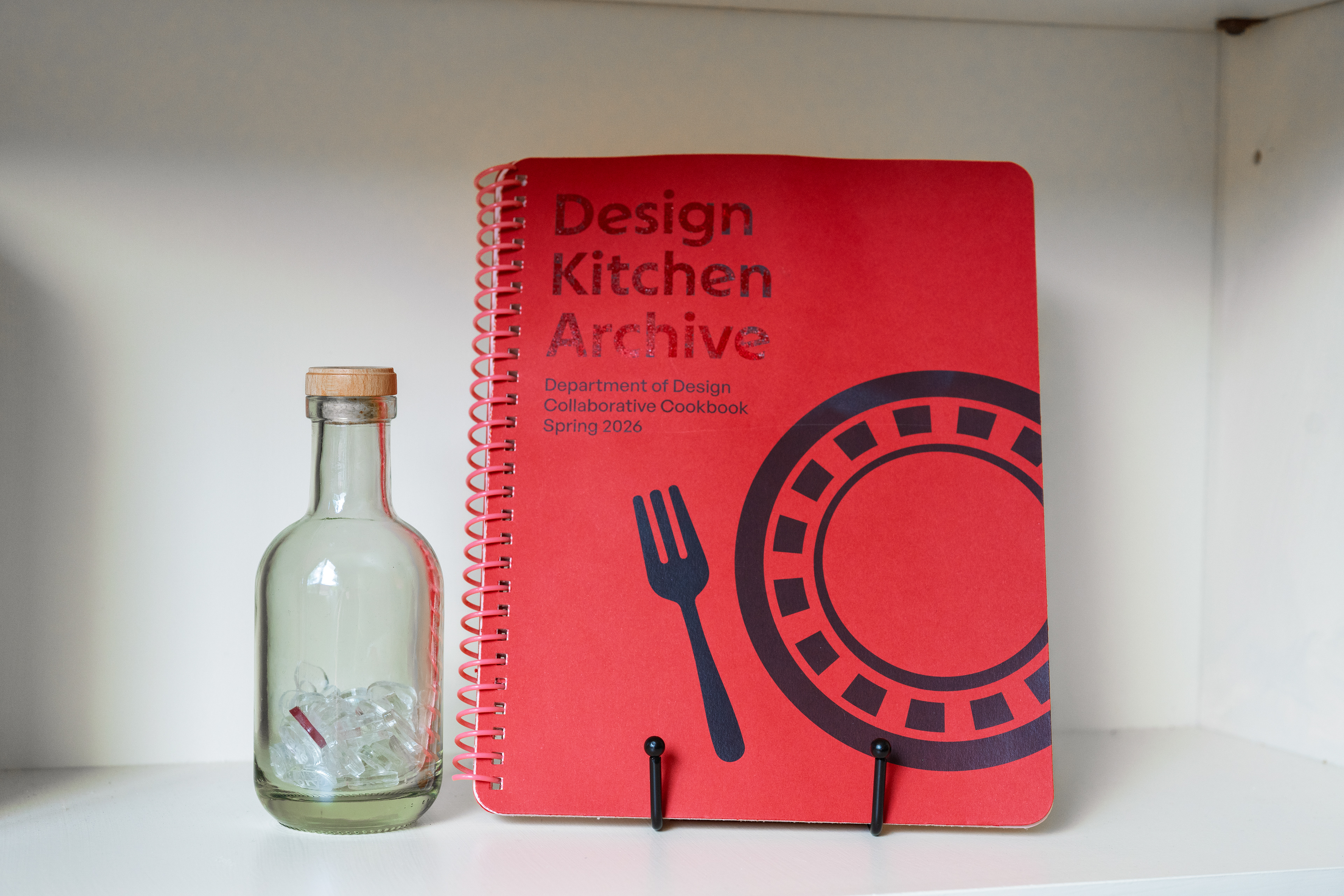
Photo of final book prototype and bottle of "seed" words.
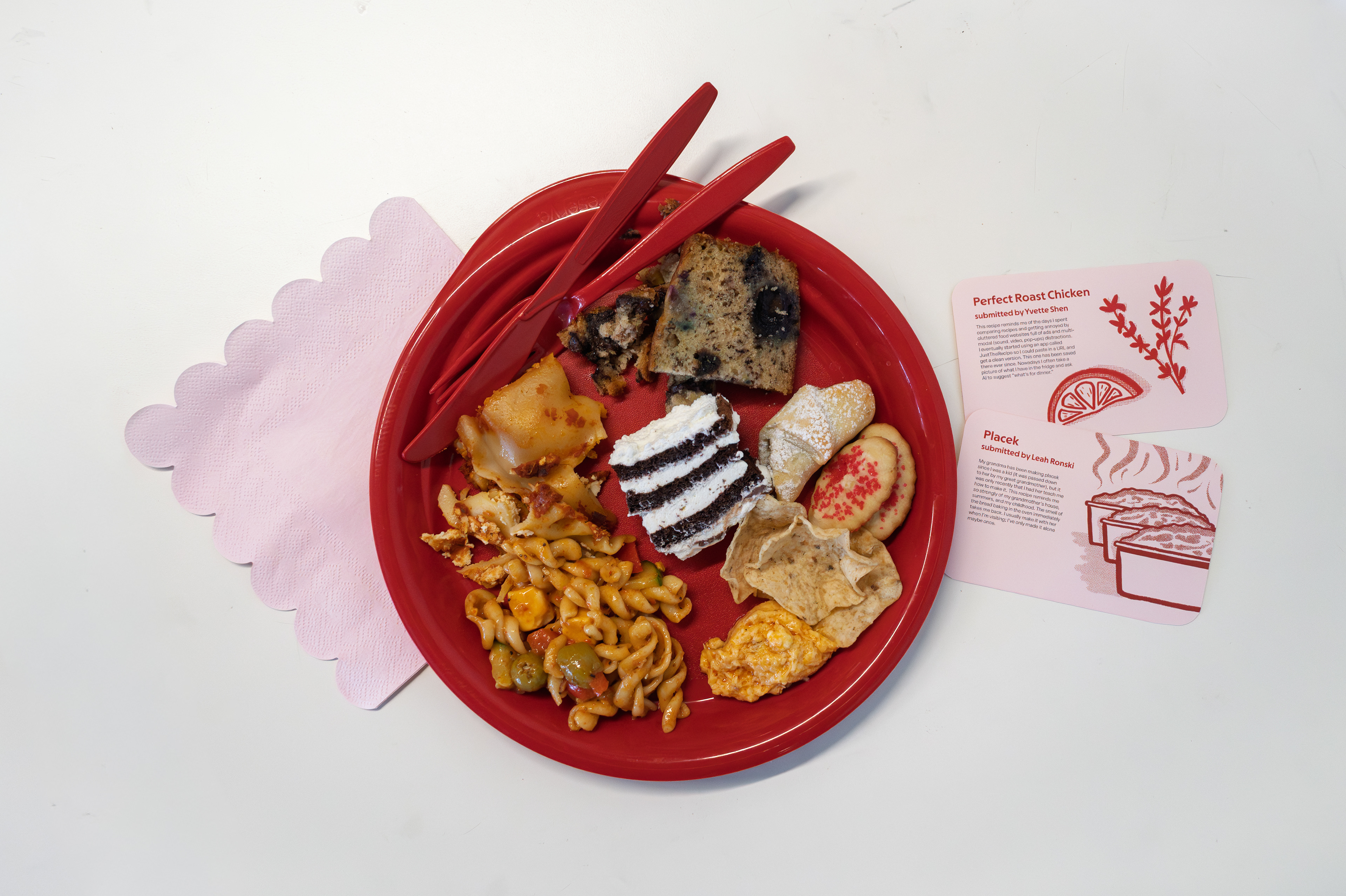
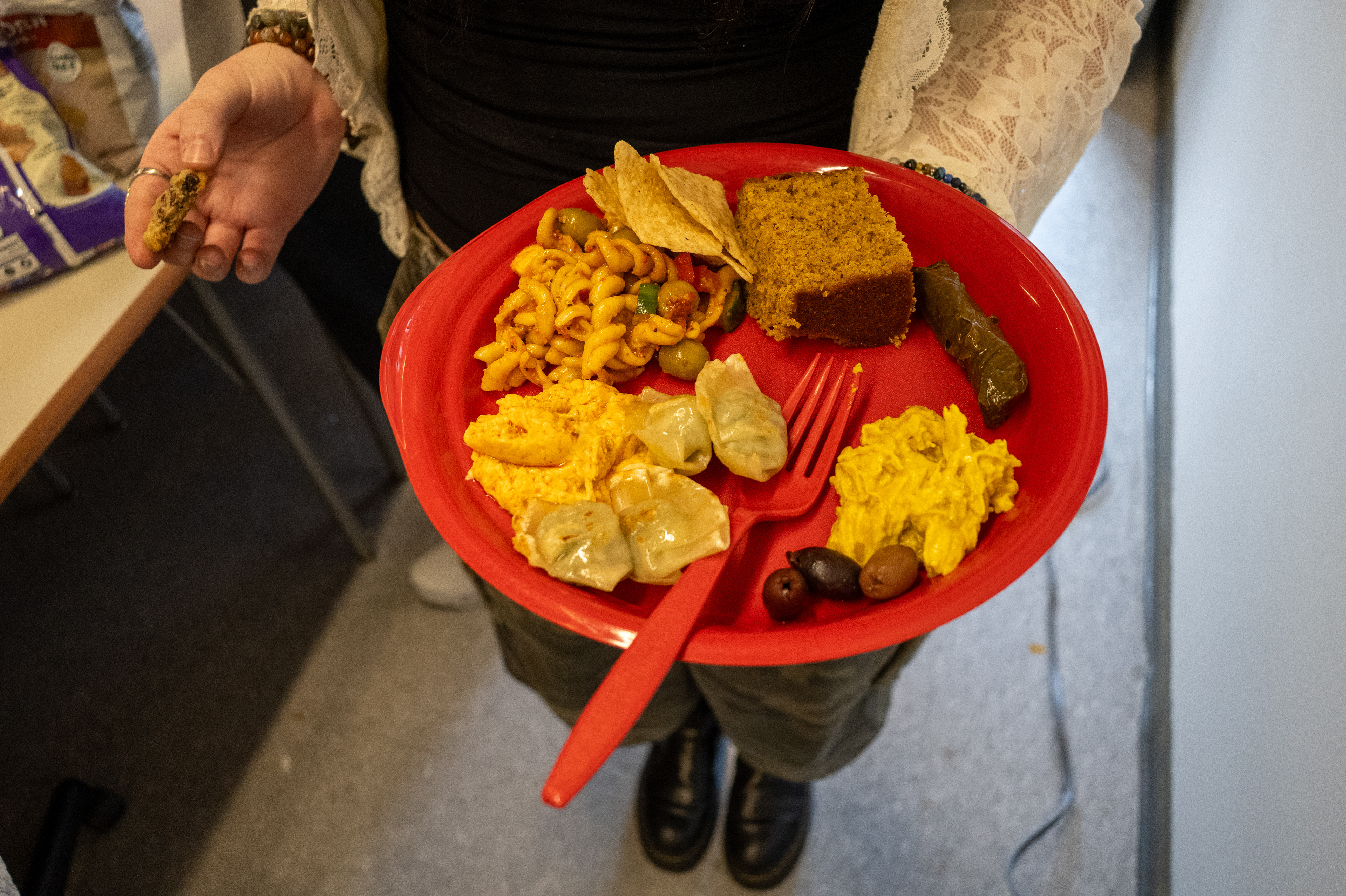
Plate of potluck event food next to recipe cards.
“Inspiration is hiding in the refrigerator.”
This project explores food as a form of communication - how recipes are shared between people, how food itself carries meaning, and how these concepts can build new personal connections. The work stemmed from my experience sharing and recreating a fortune cookie recipe, as well as exploring other food-related “seeds” like “rise,” “fudge,” and “salty” that raised questions on how and why we share food and recipes.
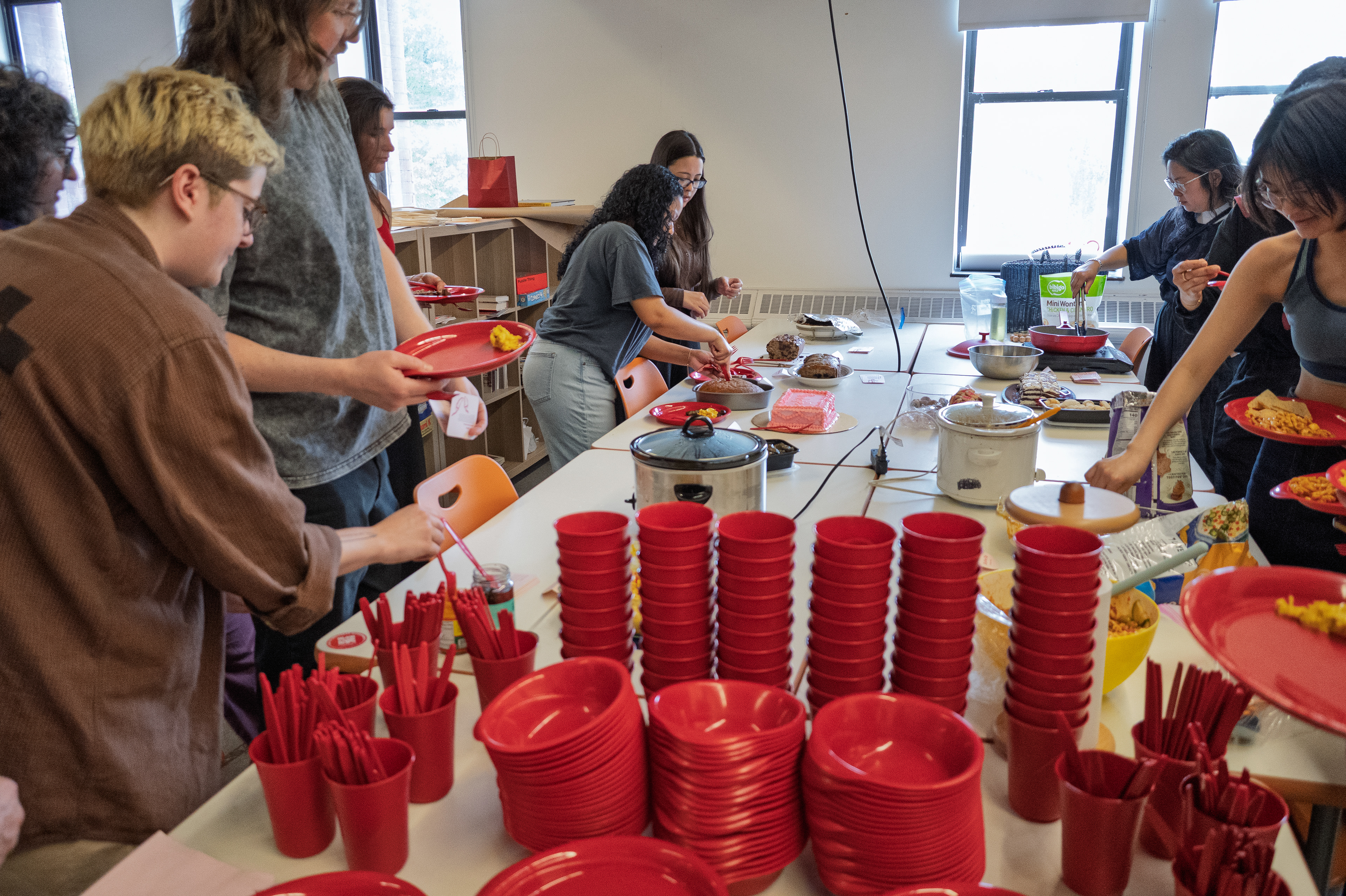
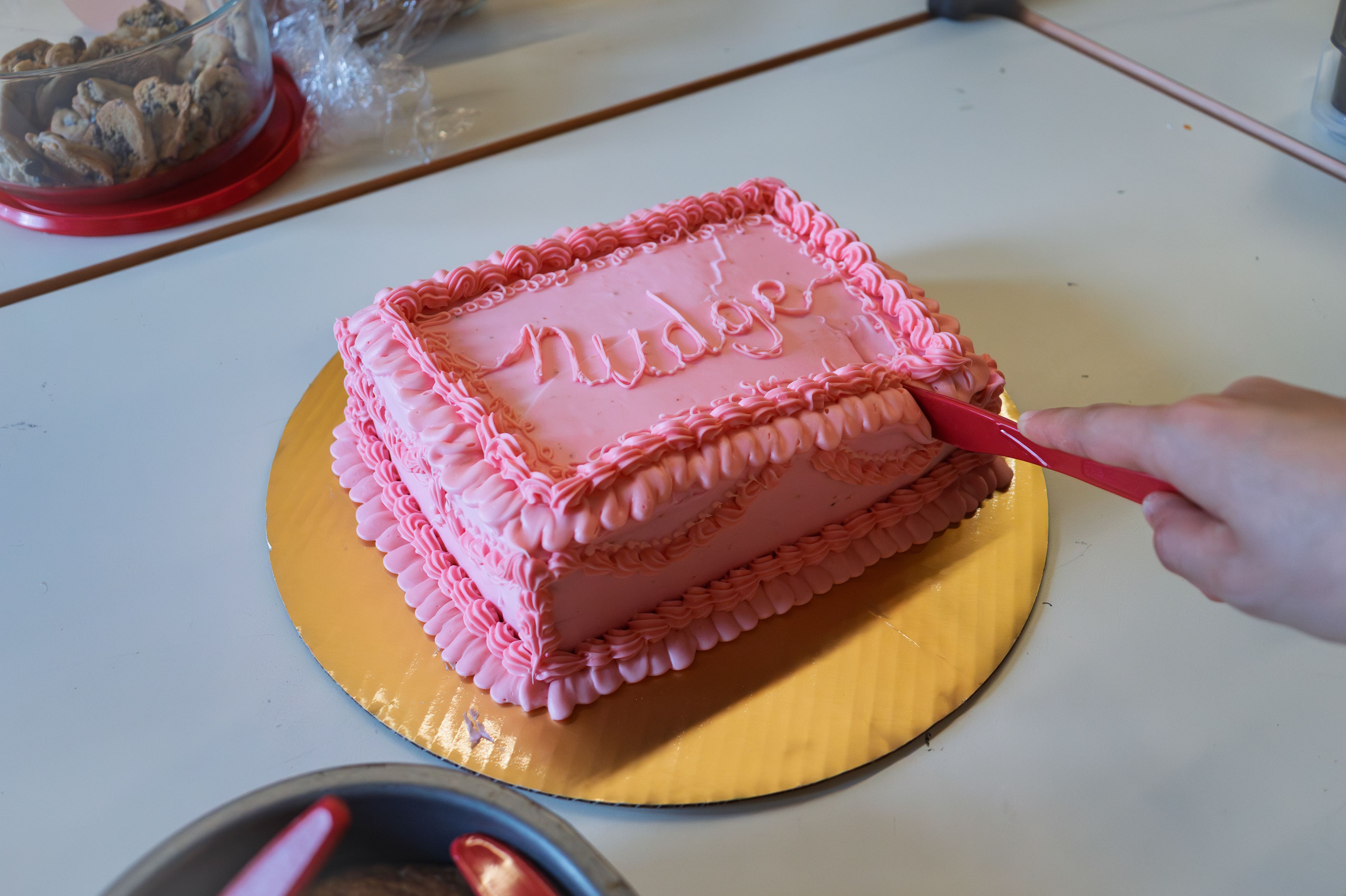
I collected recipes and their stories from members of the OSU Department of Design community, then compiled them into a printed cookbook documenting what people choose to cook, why those recipes matter to them, and how cooking intersects with their life as a designer. To gather this material, I provided a select group of community members with a homemade treat and asked them to share a recipe in return, turning the act of collection into a personal exchange that mirrored the initial seed reception. Contributors received prompts to contextualize their recipes, allowing them to share as much or as little of their story as felt relevant. The final result is a cookbook designed, printed, and bound by hand. The project concluded with a community potluck event where contributors and other community members gathered, shared food, and experienced a sense of community through sharing their stories.
I collected recipes and their stories from members of the OSU Department of Design community, then compiled them into a printed cookbook documenting what people choose to cook, why those recipes matter to them, and how cooking intersects with their life as a designer. To gather this material, I provided a select group of community members with a homemade treat and asked them to share a recipe in return, turning the act of collection into a personal exchange that mirrored the initial seed reception. Contributors received prompts to contextualize their recipes, allowing them to share as much or as little of their story as felt relevant. The final result is a cookbook designed, printed, and bound by hand. The project concluded with a community potluck event where contributors and other community members gathered, shared food, and experienced a sense of community through sharing their stories.
Seeds and Ideation
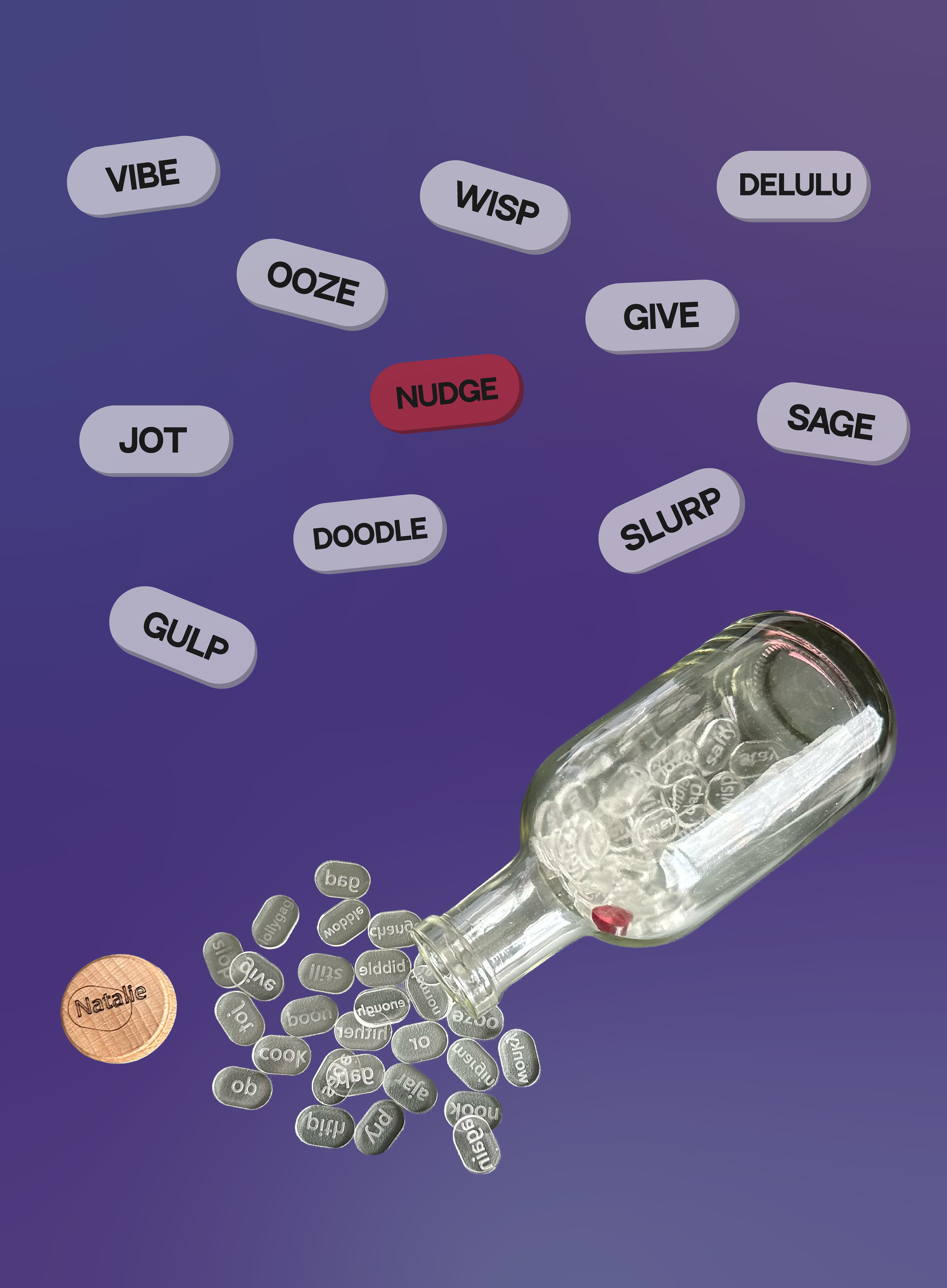
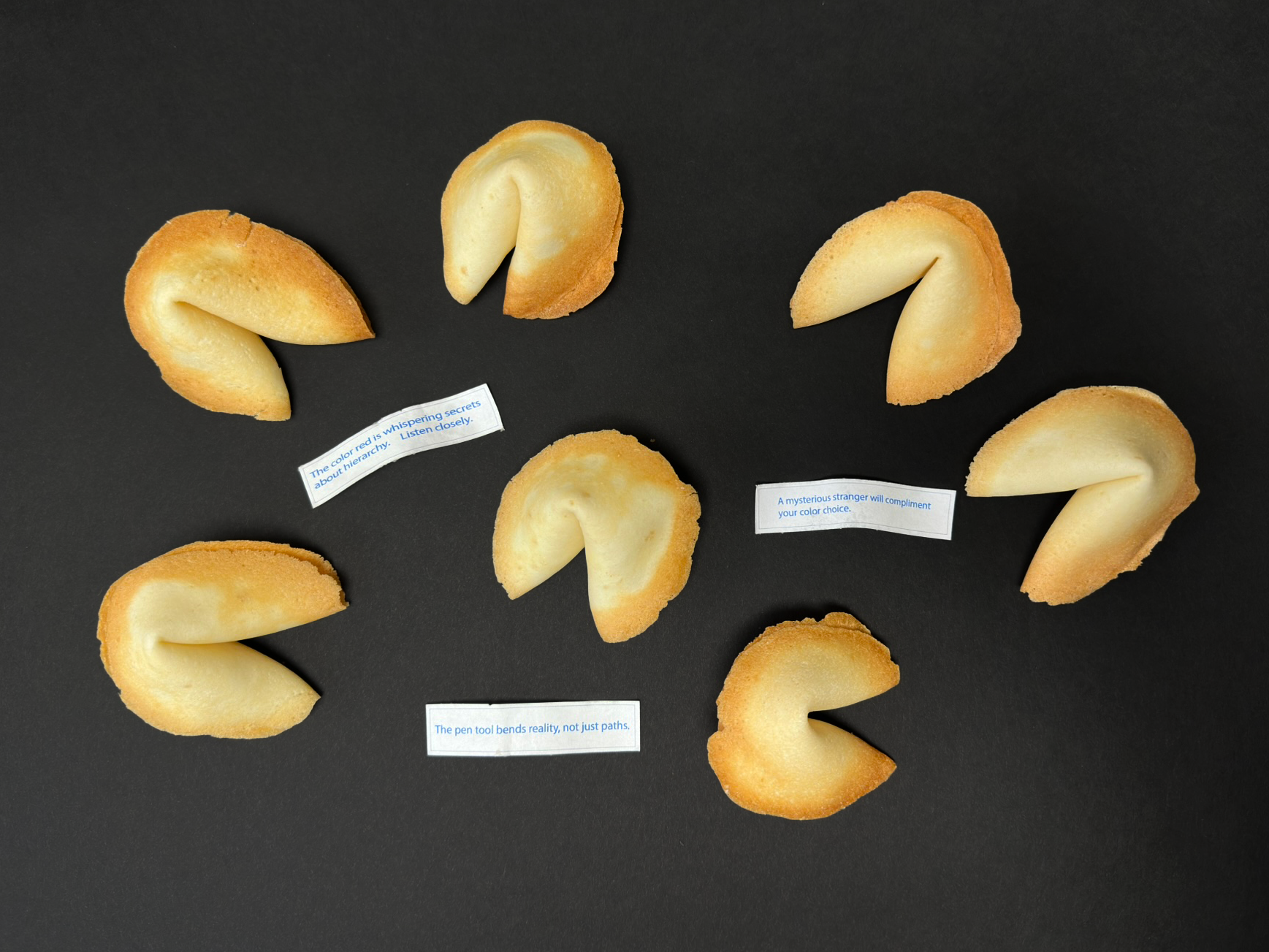
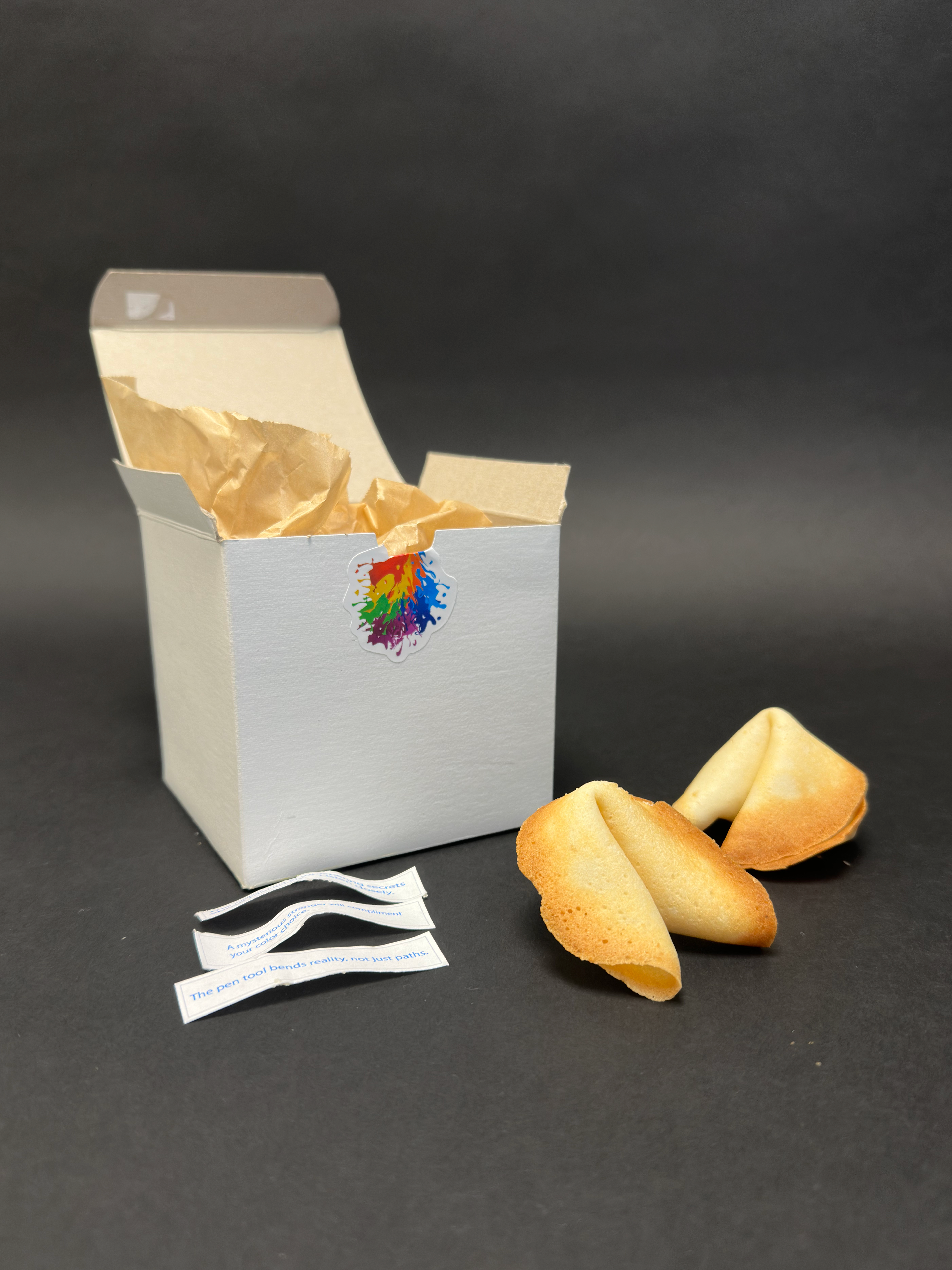
To kick off the project, I received two "seeds," or gifts: first, a bottle of pill-shaped acrylic words, then a box of homemade fortune cookies with design-related messages. I was invited to respond to these gifts through a collaborative and interactive process, particularly focusing on collaboration with materials and my professor.
I began by analyzing themes that stood out to me in each seed. Since I received a food-related gift, I was drawn to words from the bottle that related to this food theme, and I chose to move forward with this "delicious design" theme for the project. I also paid close attention to recurring themes in the fortunes, including permanence and color.
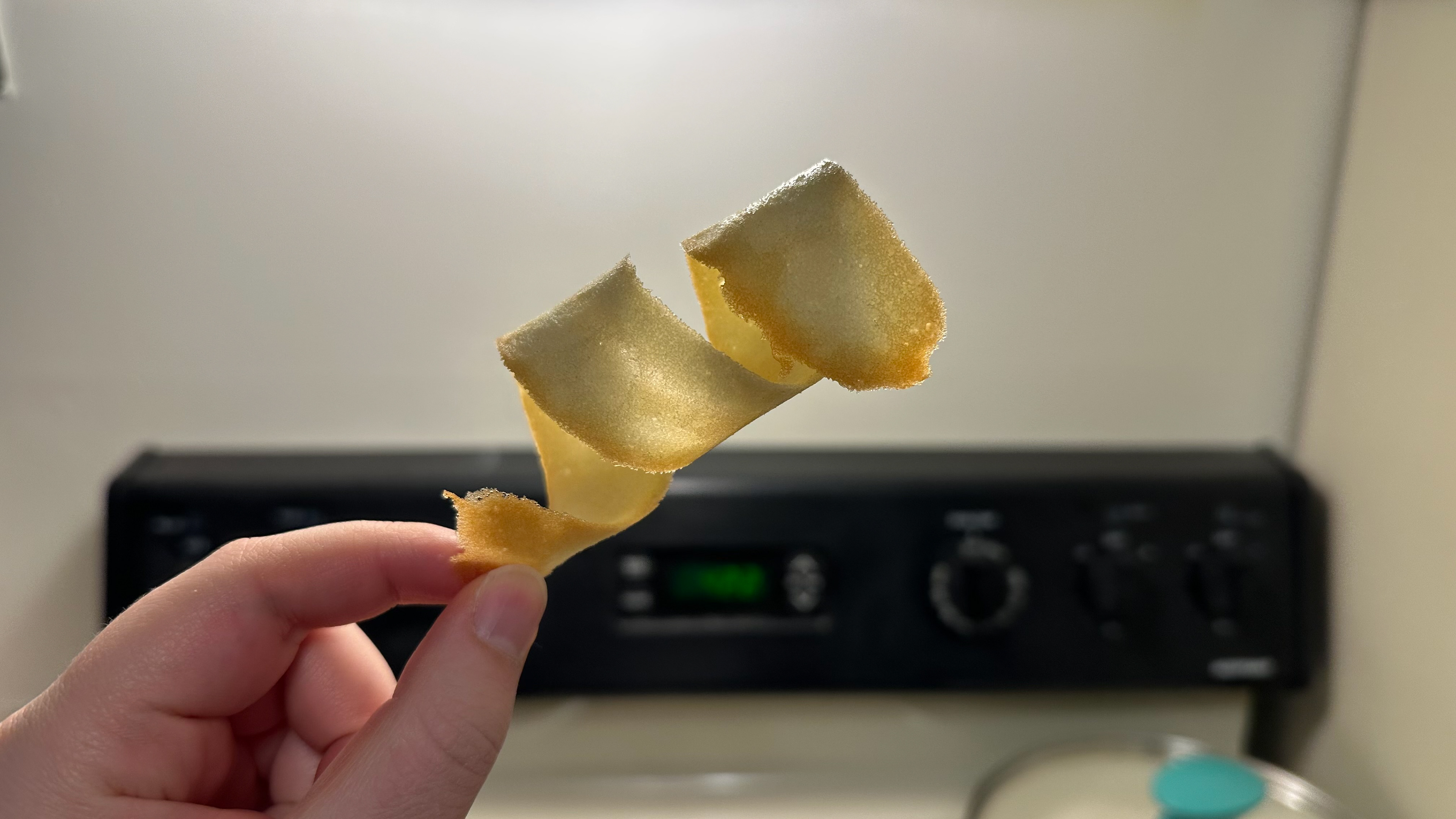
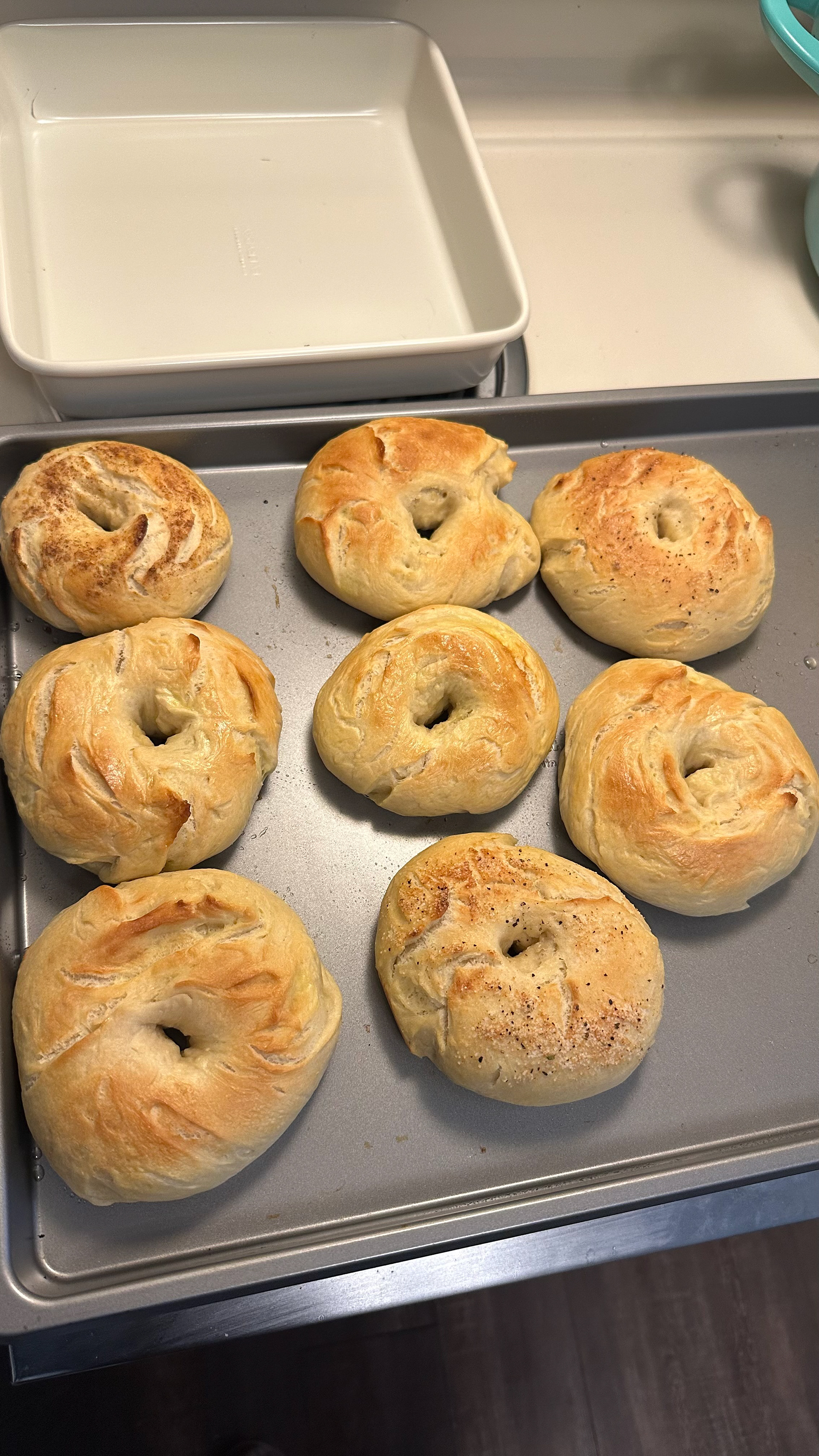
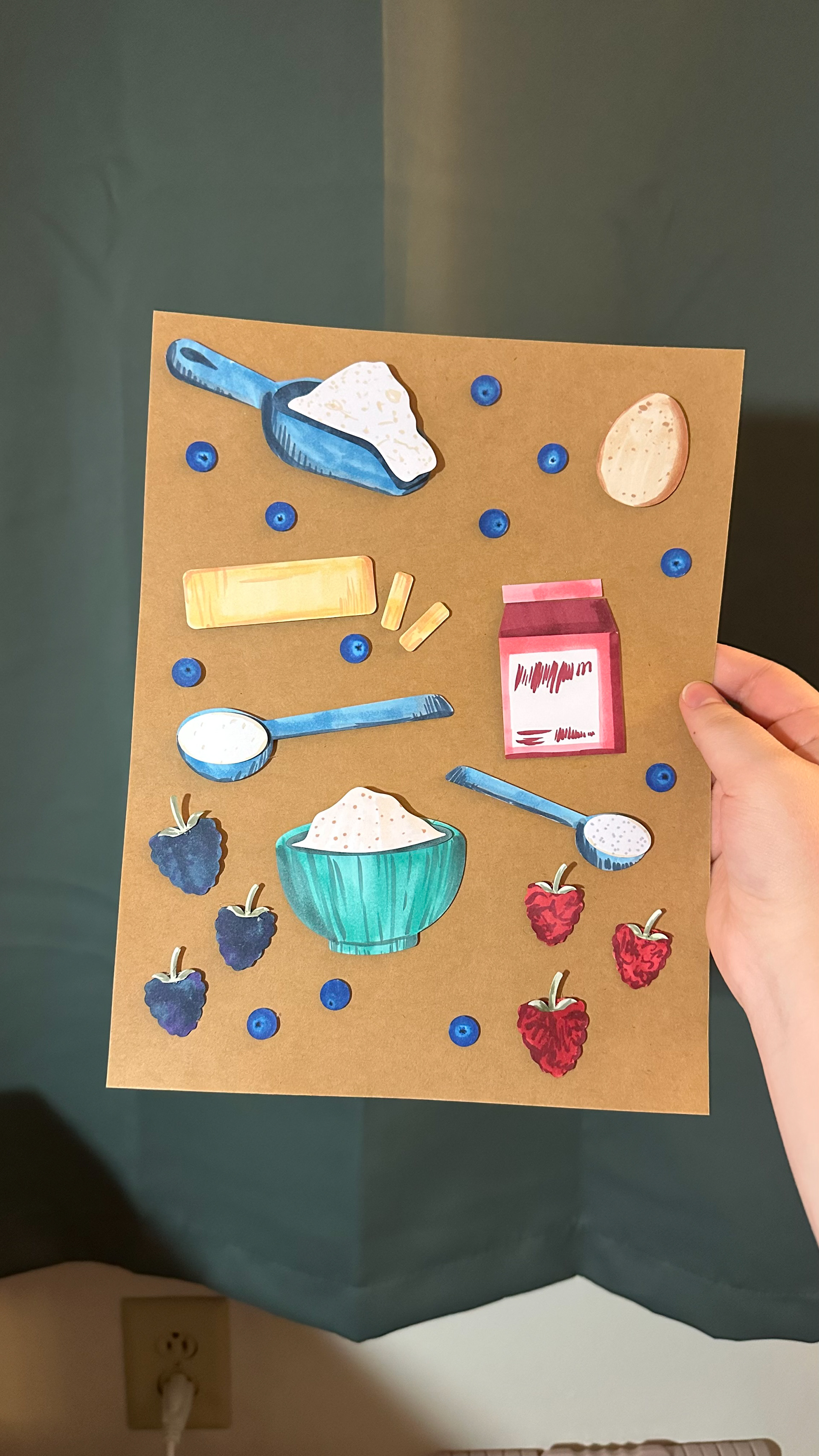
Pictured here are various experiments and physical making explorations.
One aspect of the fortune cookies that caught my attention was the sharp contrast between different recipes' ingredients, ratios, and approach to making these cookies. This led me to think about how we communicate through food and recipes, which then turned into the broader question of how food can be used to form new connections between people and enable new modes of communication.
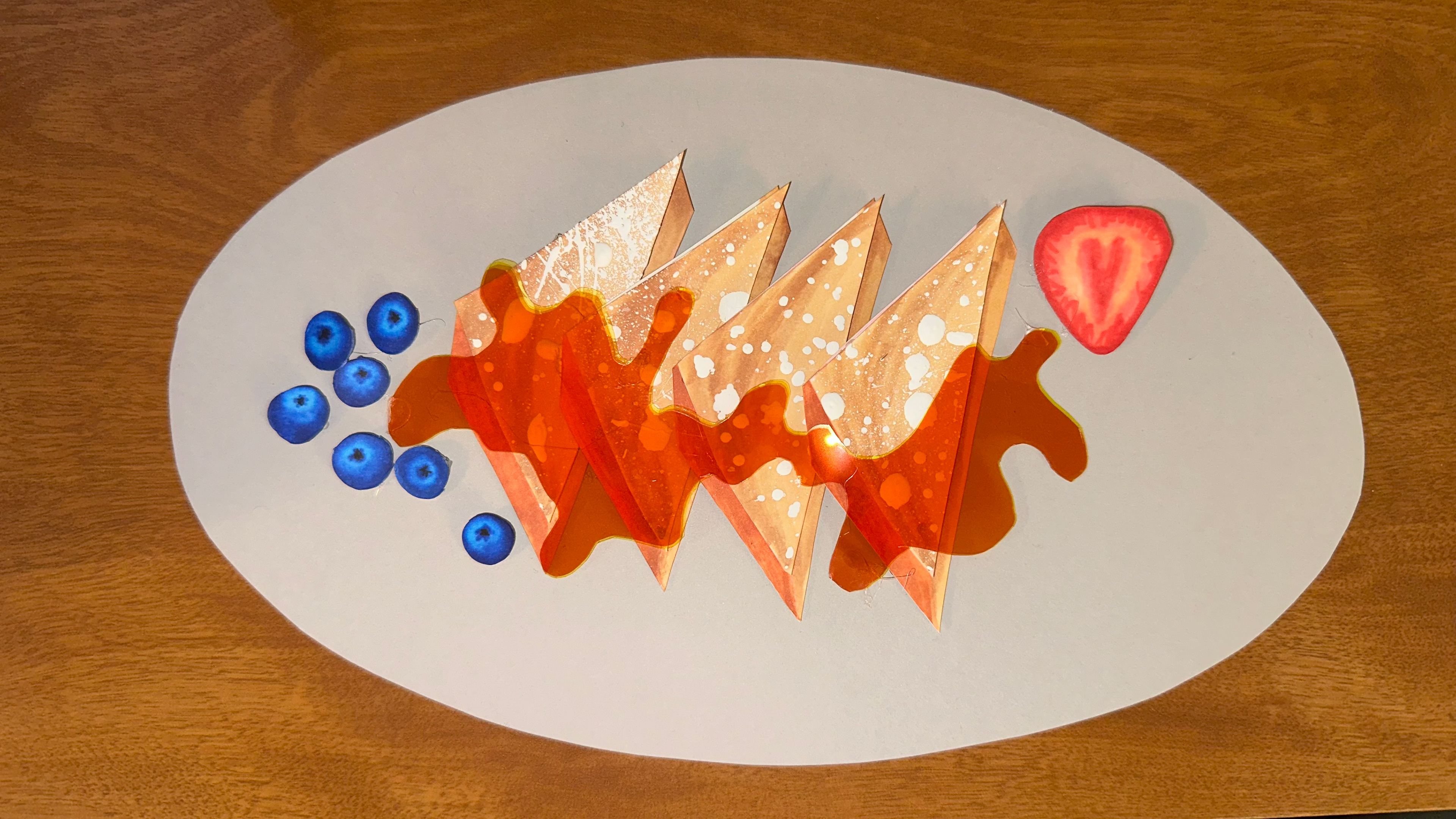
In my initial research, I was intrigued by the concept of "paper as an ingredient," inspired by a fortune cookie recipe that listed paper with the other ingredients; this interest was reflected in the paper cutout visualizations of important recipes and meals within my life. I also explored a different direction with this concept, using the fortune cookie dough itself as a paper-like ingredient and forming new shapes. It was a fun and tasty experiment, even though I didn't move forward with this direction.
Concept and Execution
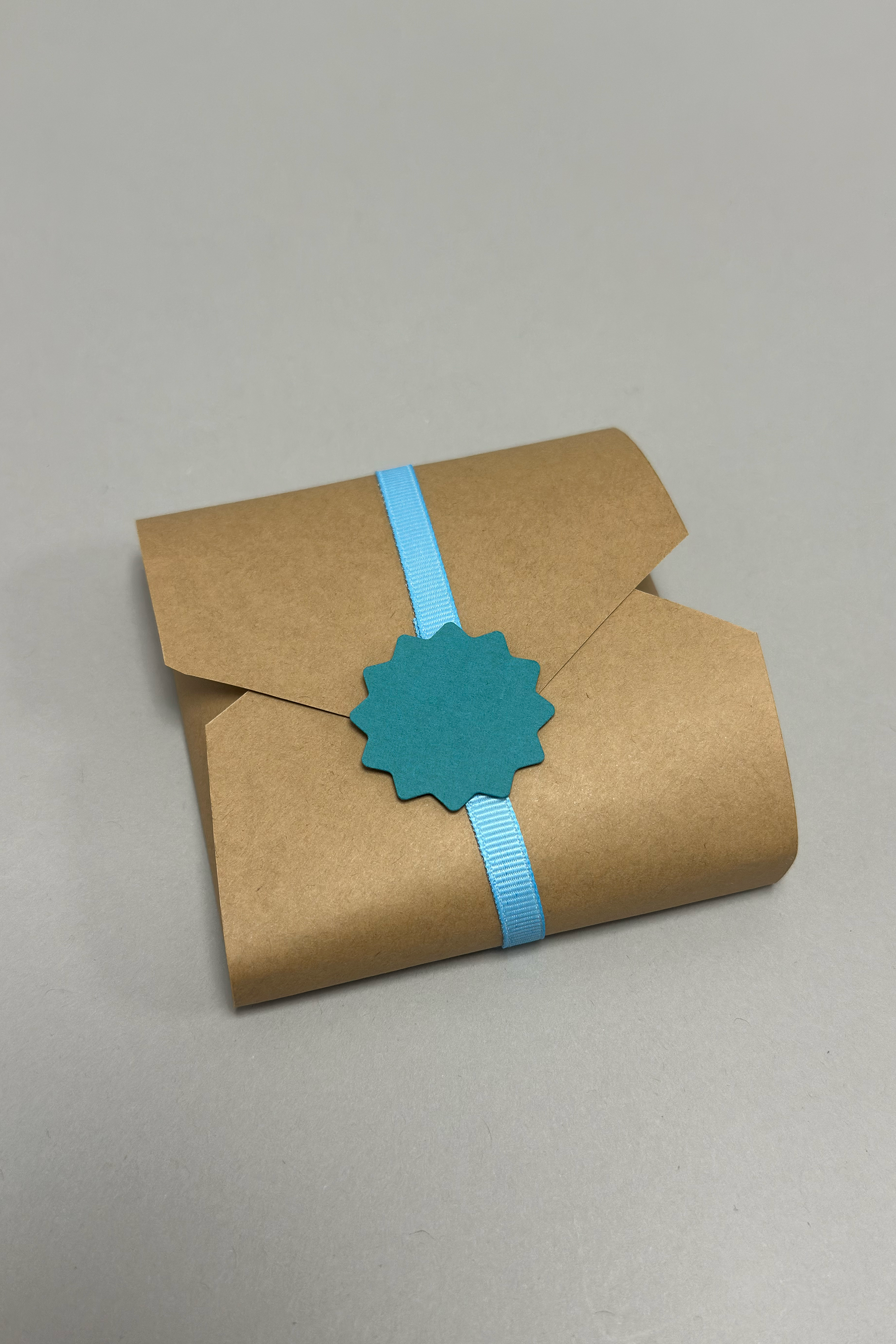
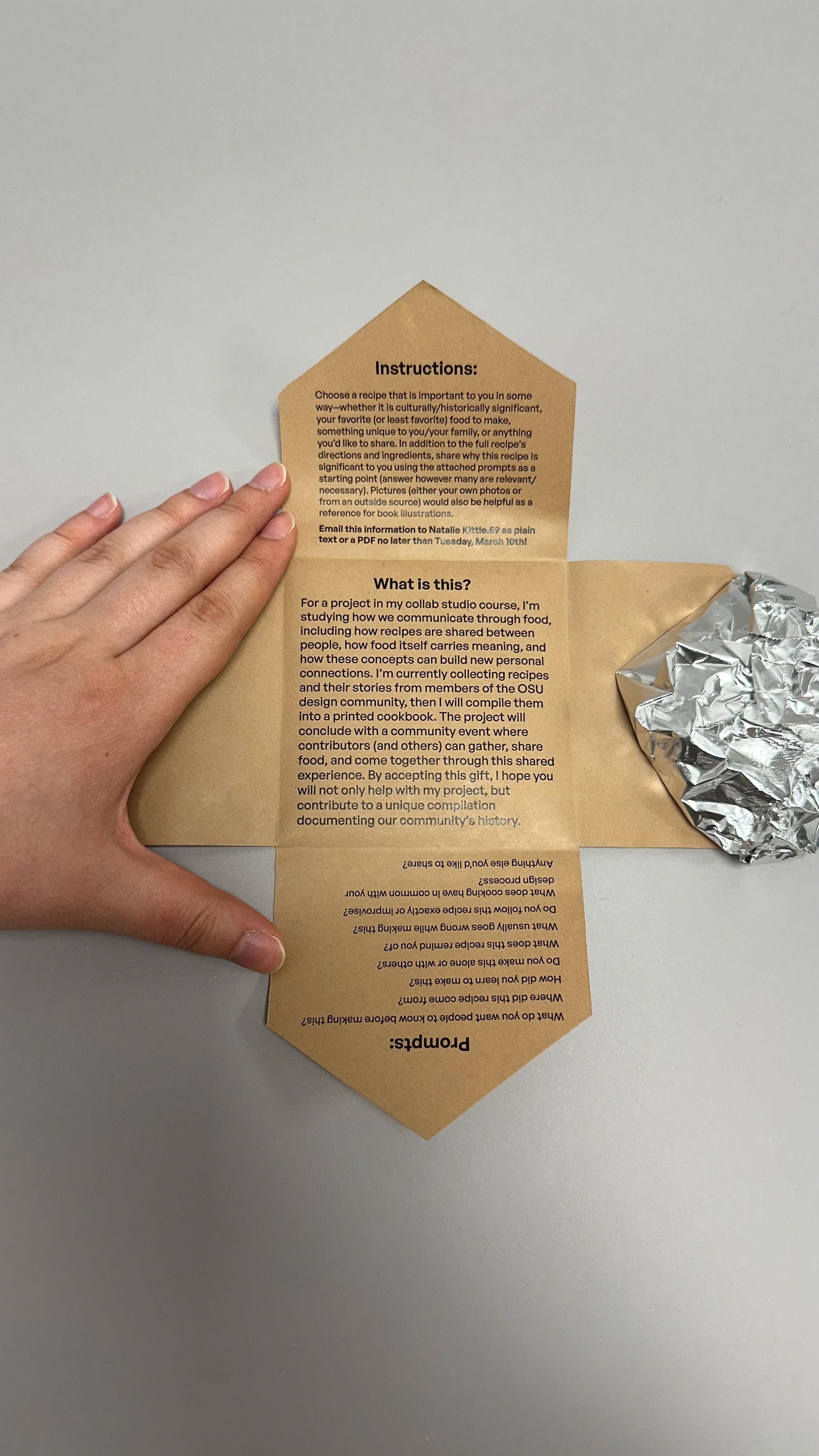
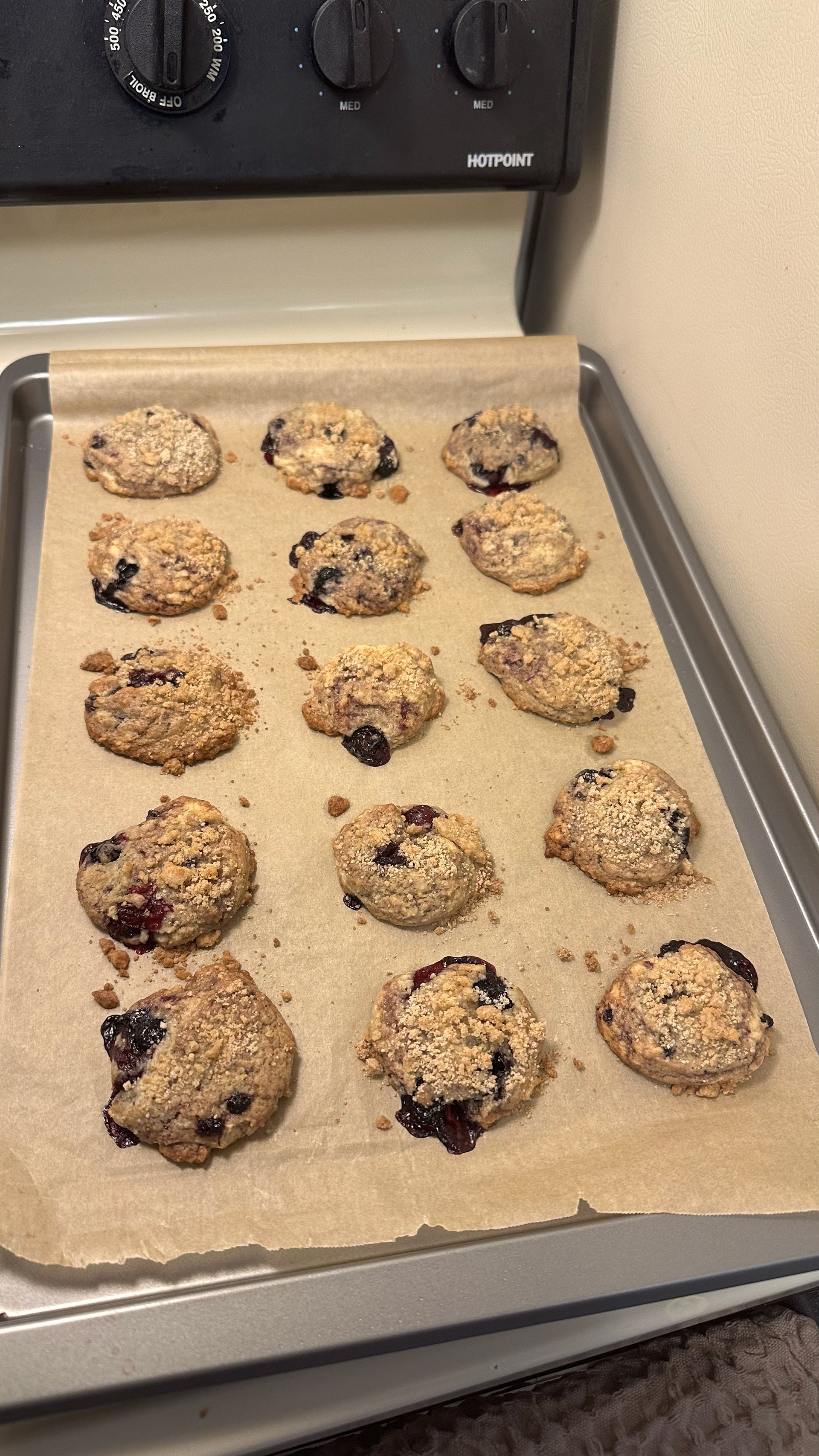
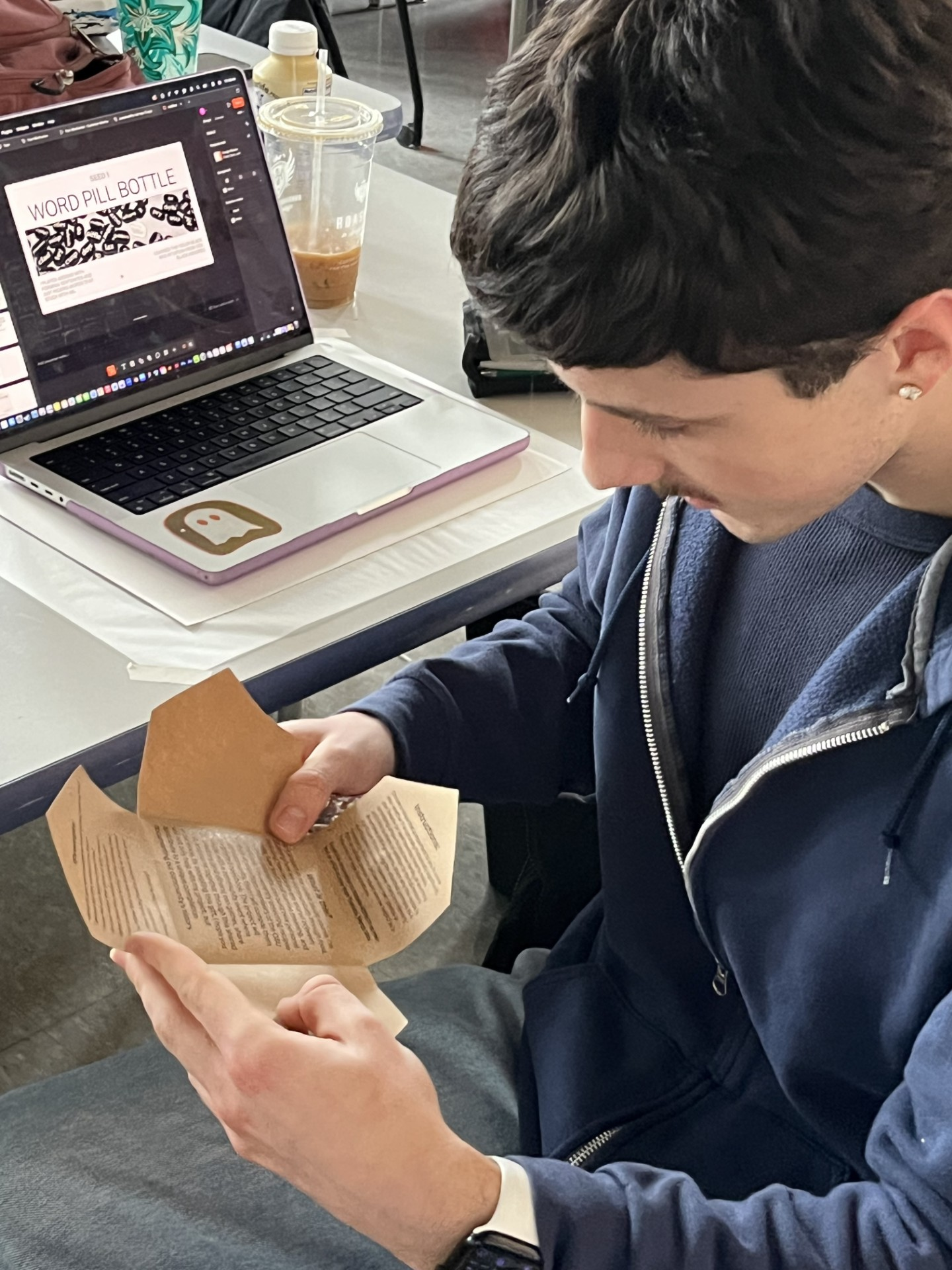
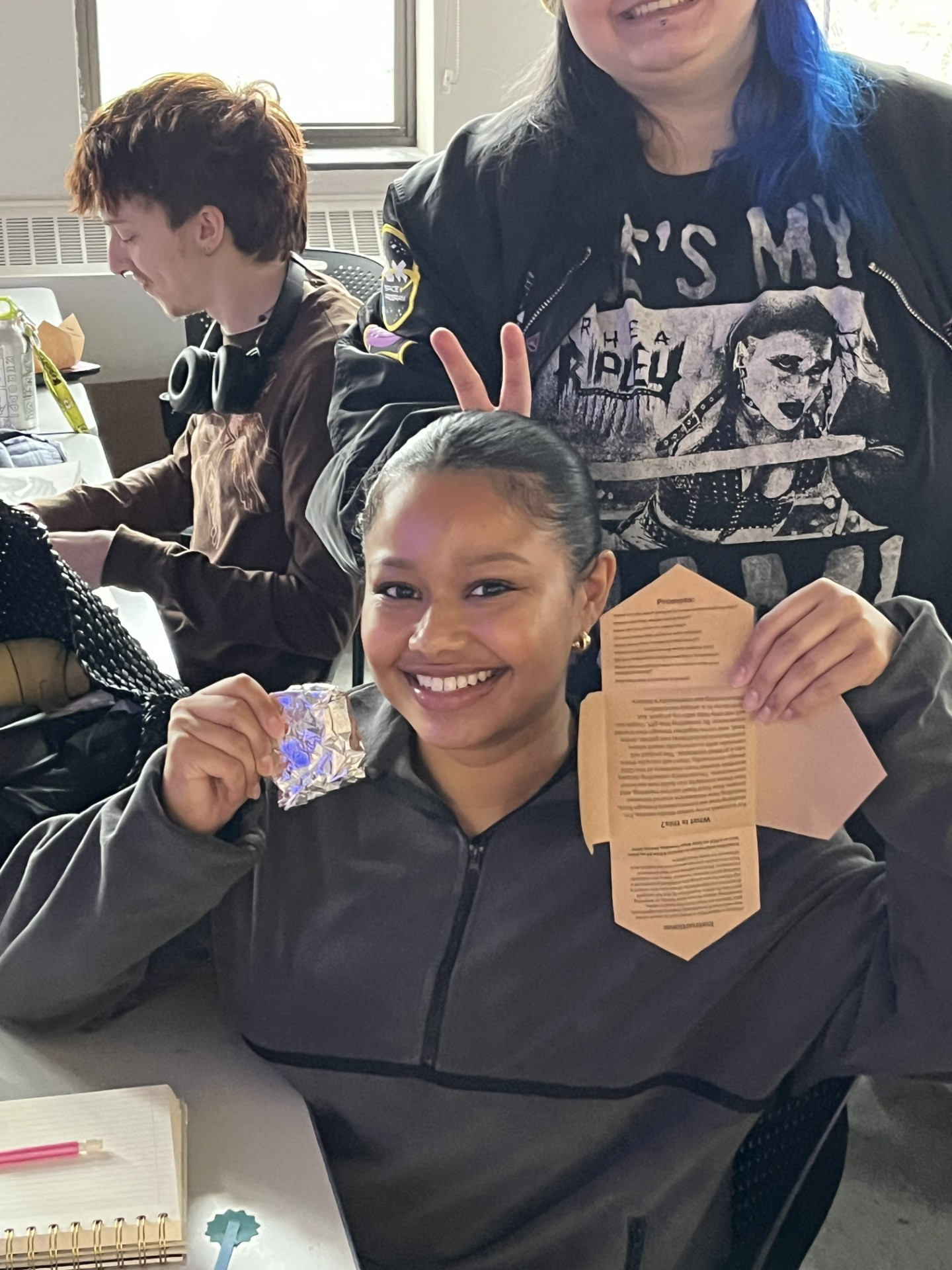
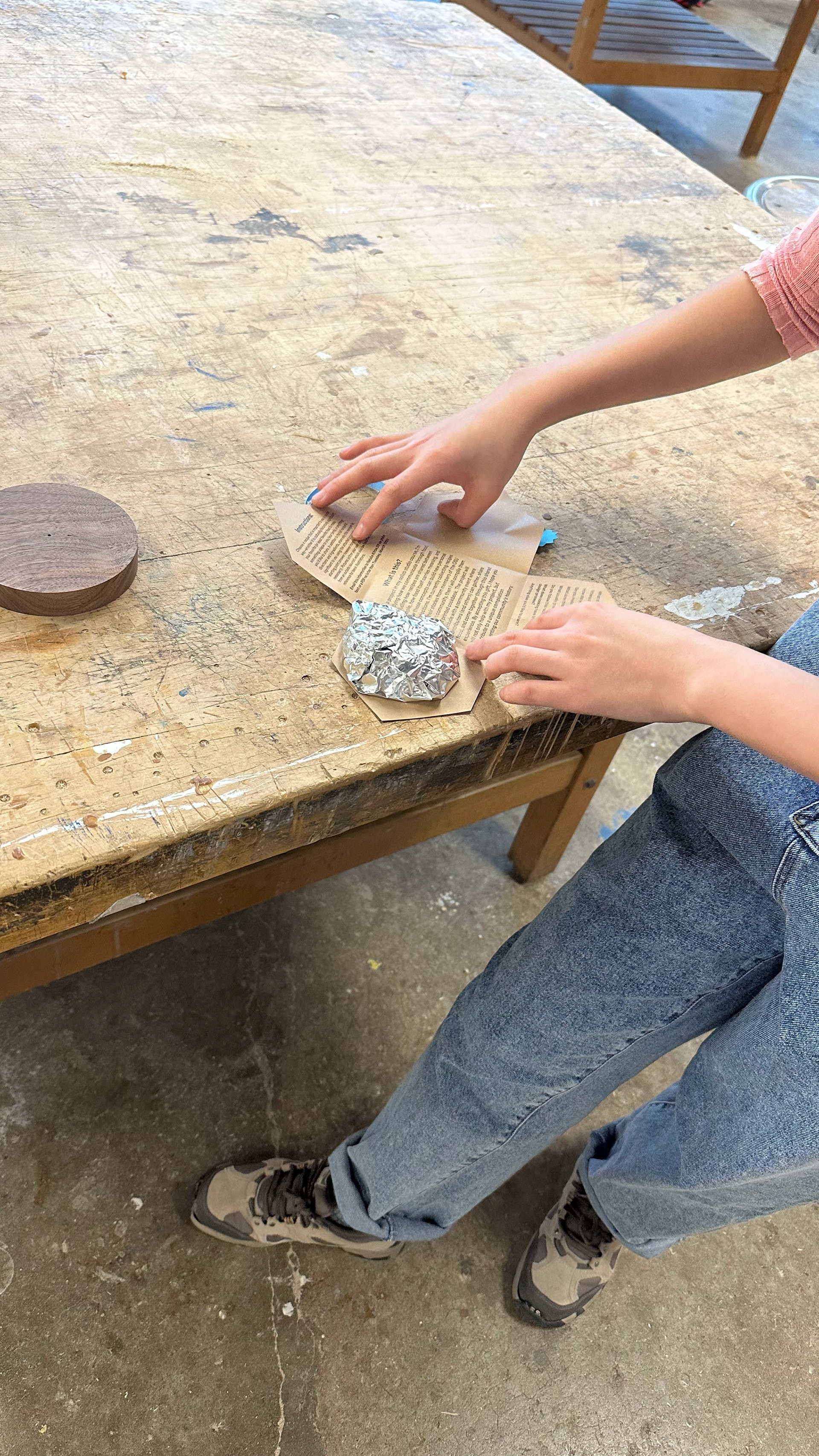
After a wide variety of scrapped ideas, sketches, and tests (shown in more detail in the linked Figjam board at the bottom of this page), I finally landed on the concept of a community cookbook, inspired by the collections of recipes gathered by churches and small towns in an informal, spiral bound booklet. Since this was a collaborative design class, this was the perfect opportunity to create this cookbook with the Department of Design community. I initially questioned how to motivate students, faculty, and staff members to participate in the project, but I landed on an invitation and small homemade gift (a blueberry muffin-inspired cookie!) to mirror the "seed" format from earlier in the course. The wrapper contained instructions for my request, including a recipe with some sort of significance to the invitee, information about the project's goal, and prompts to help them share the recipe's story and background. I created 38 of these invitations and received 33 responses across all years, majors, and roles.
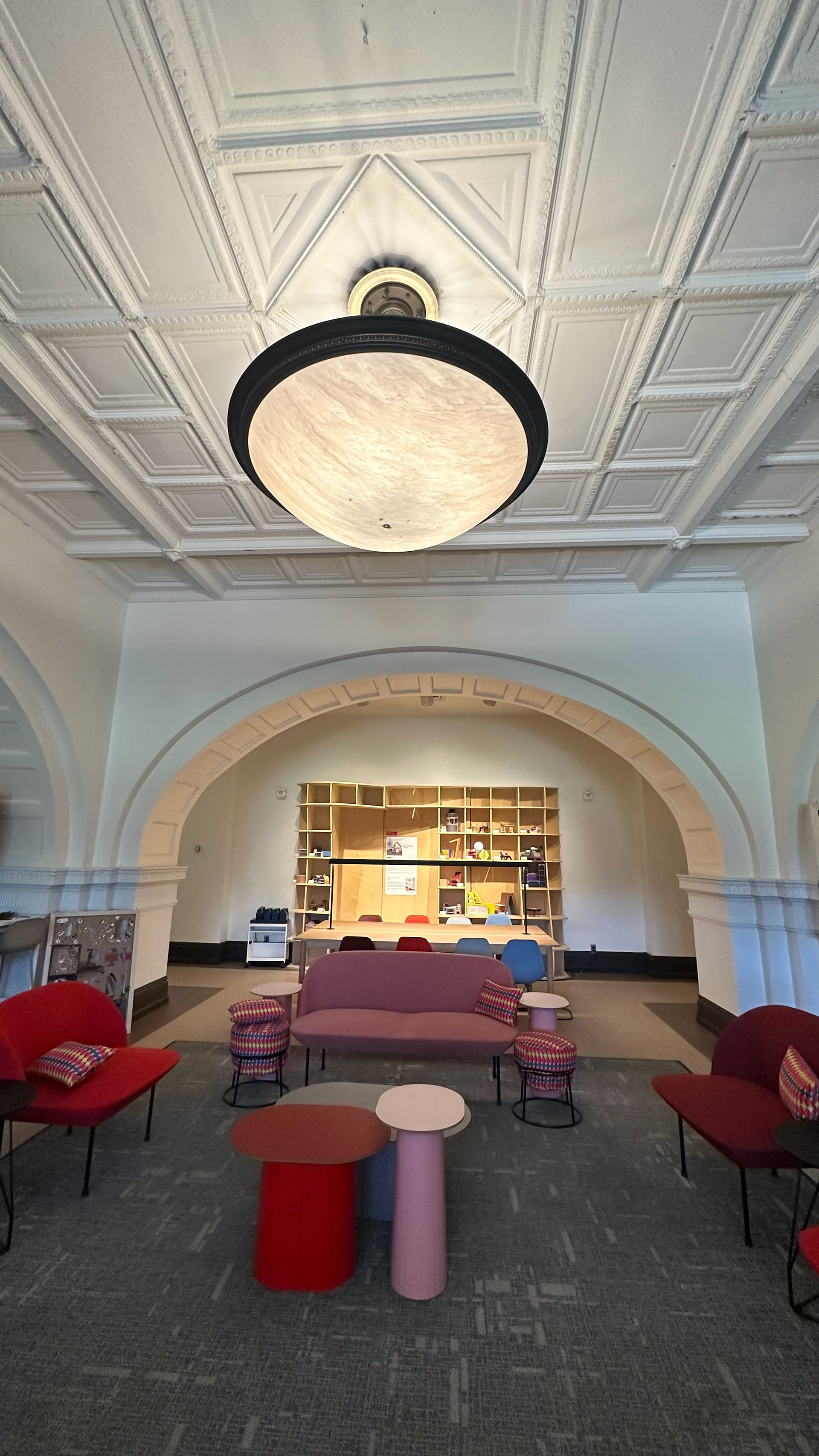
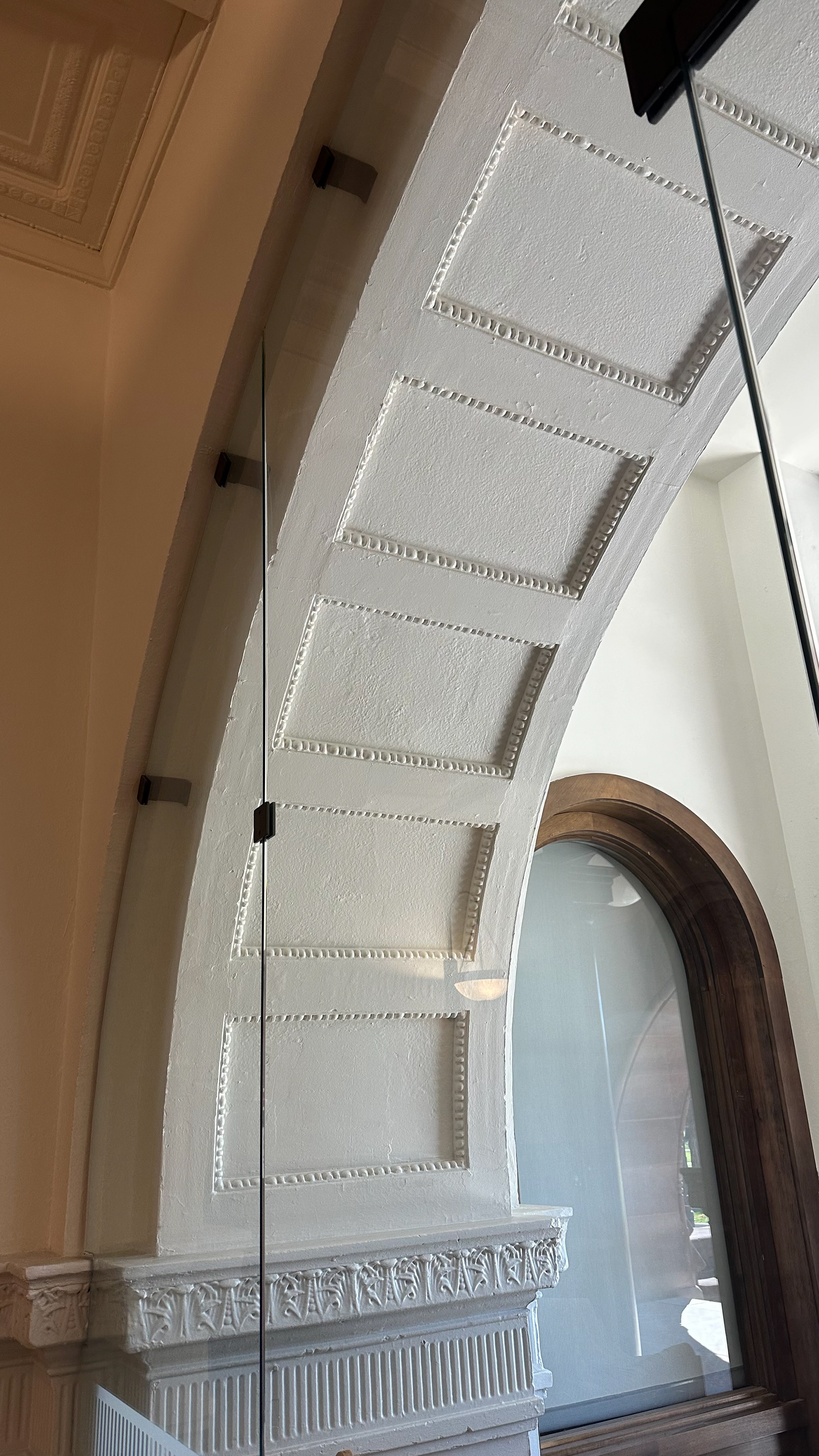
As I considered the visual language for the book, I decided to base the visuals around a common theme shared by all community members. The iconic architecture and decorative elements around Hayes Hall, home of the Department of Design, inspired a distinct theme for the book's illustrations, navigational elements, and overall format. Arches/half-circles are consistently referenced throughout the book, from illustrations of dumplings and pierogis to the book's rounded corners.
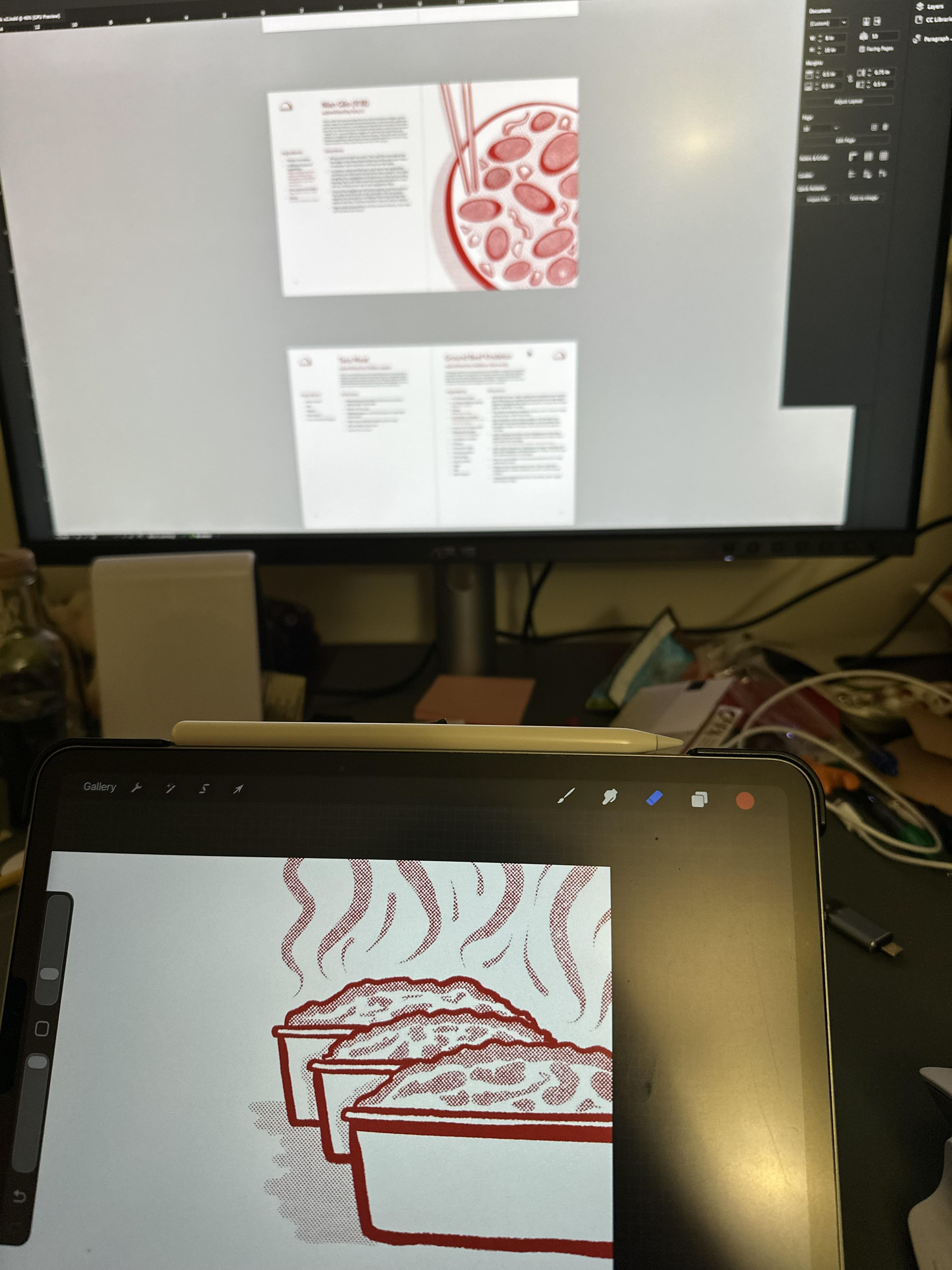
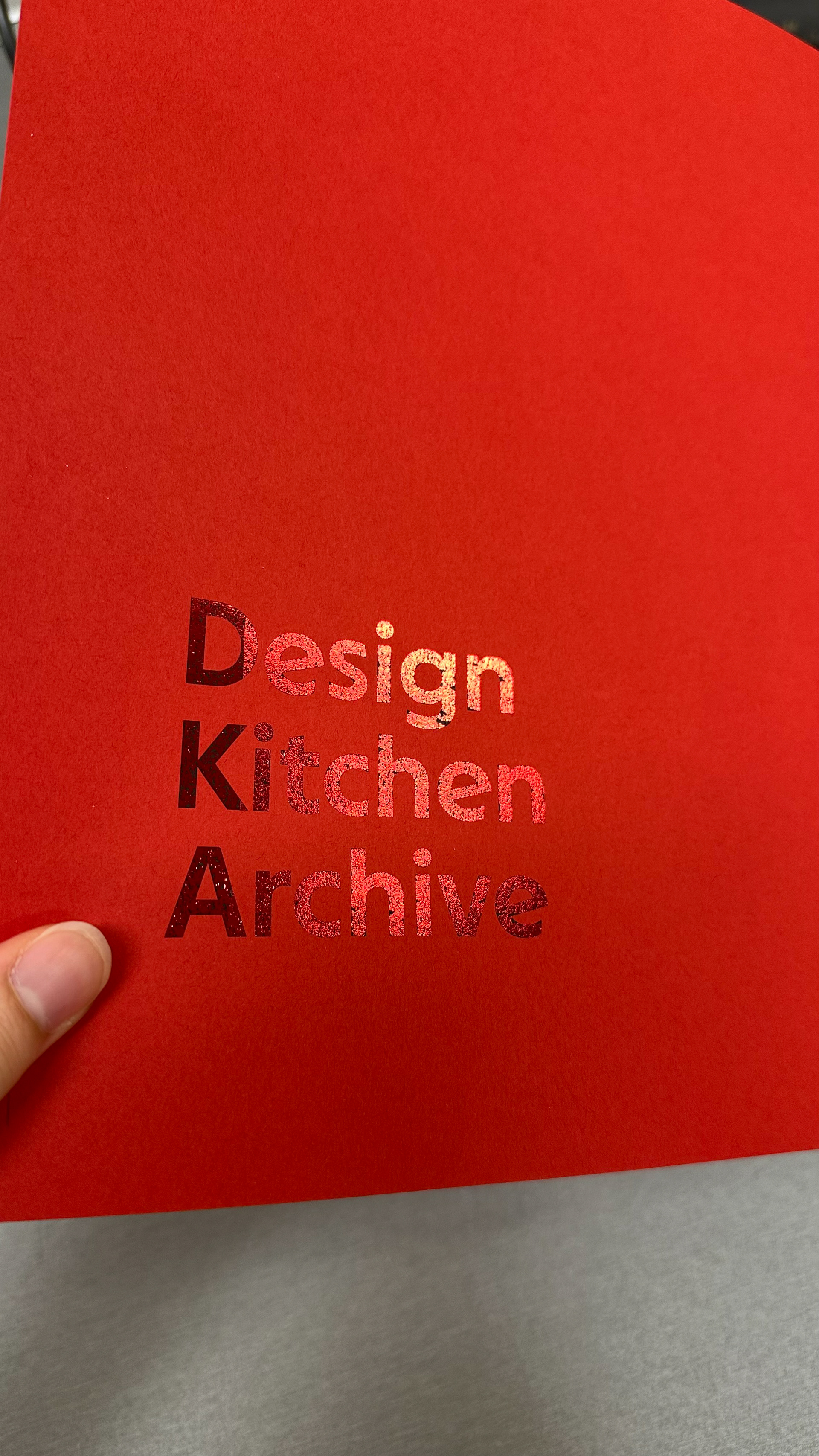
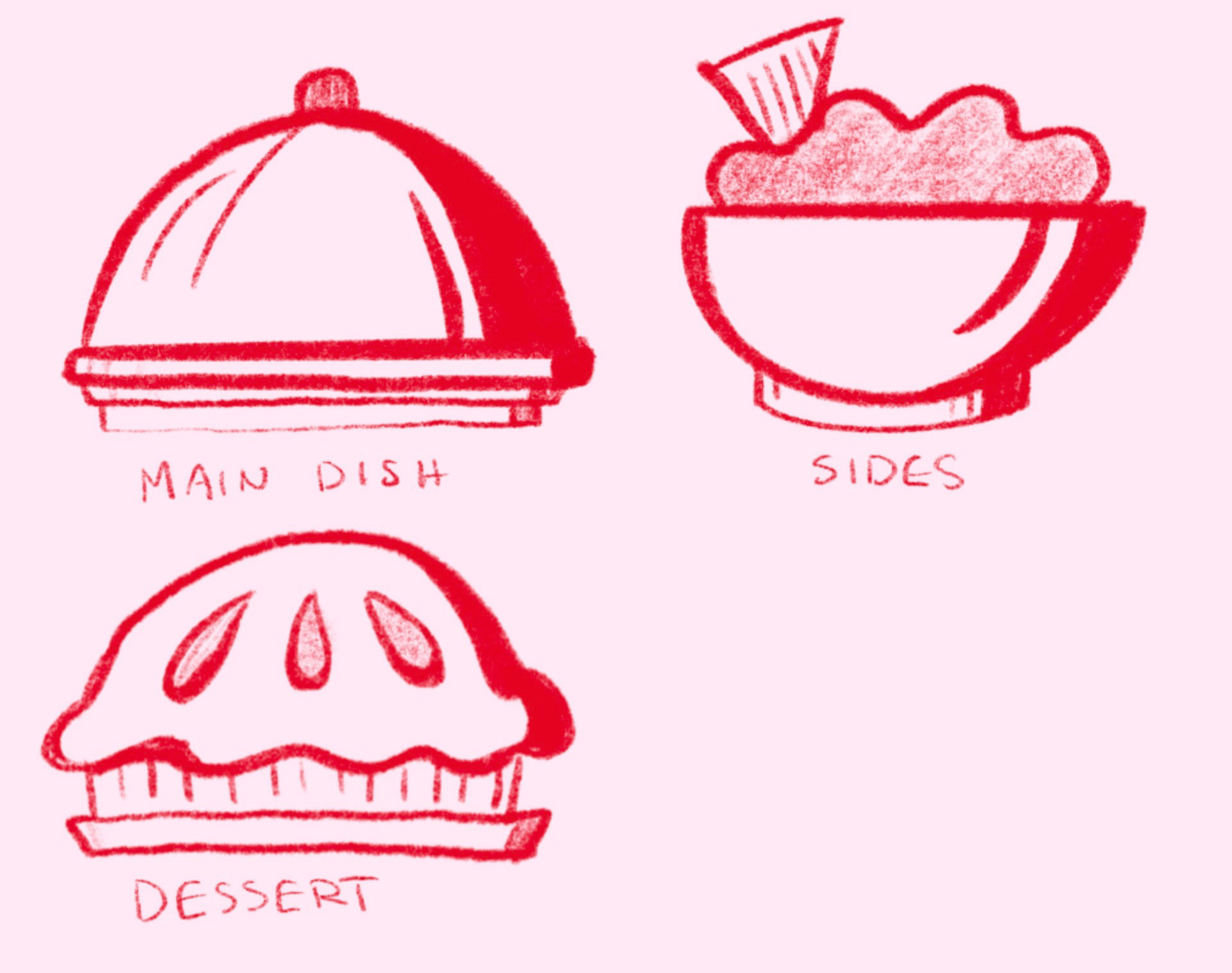
Pictured below are various tests as I began applying this concept to illustrations and navigational elements. I decided to use red as a reference to the OSU community and as a way to tie together illustrations of completely different foods, so I tested this with halftone brushes in Procreate until I achieved the desired effect (as pictured in the final book). I also wanted to prioritize ease of navigation throughout the book since there was such a wide variety of recipes, so I created a set of arch-themed symbols to designate the different types of foods. Finally, I decided to use red toner-reactive foil on red paper to create a unique reflective effect on the book cover.
Building Community Through Shared Food
As I wrapped up the final cookbook prototype, I began planning the final potluck event to close out the project. As promised in my initial invitations to participants, I wanted to give everyone the opportunity to come together and celebrate their contributions, try new foods, and see their story in the book. I created a new set of invitations for this event and requested information about the dish everyone intended to bring while I worked on behind-the-scenes preparations, like reserving a set of plates and cutlery from OSU Dining Services to make this a zero waste event. Pictured below is the invitation that each contributor received (although other community members were invited to stop by and grab food, I only created formal invitations for those who had already contributed to the book).
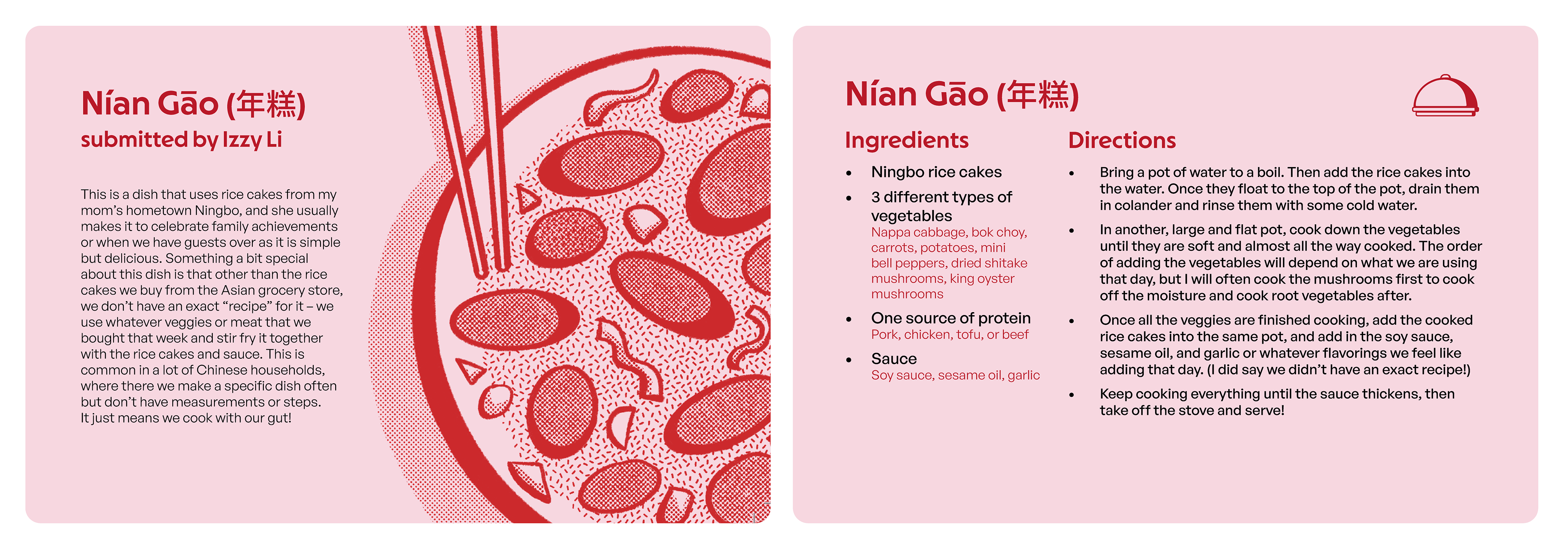
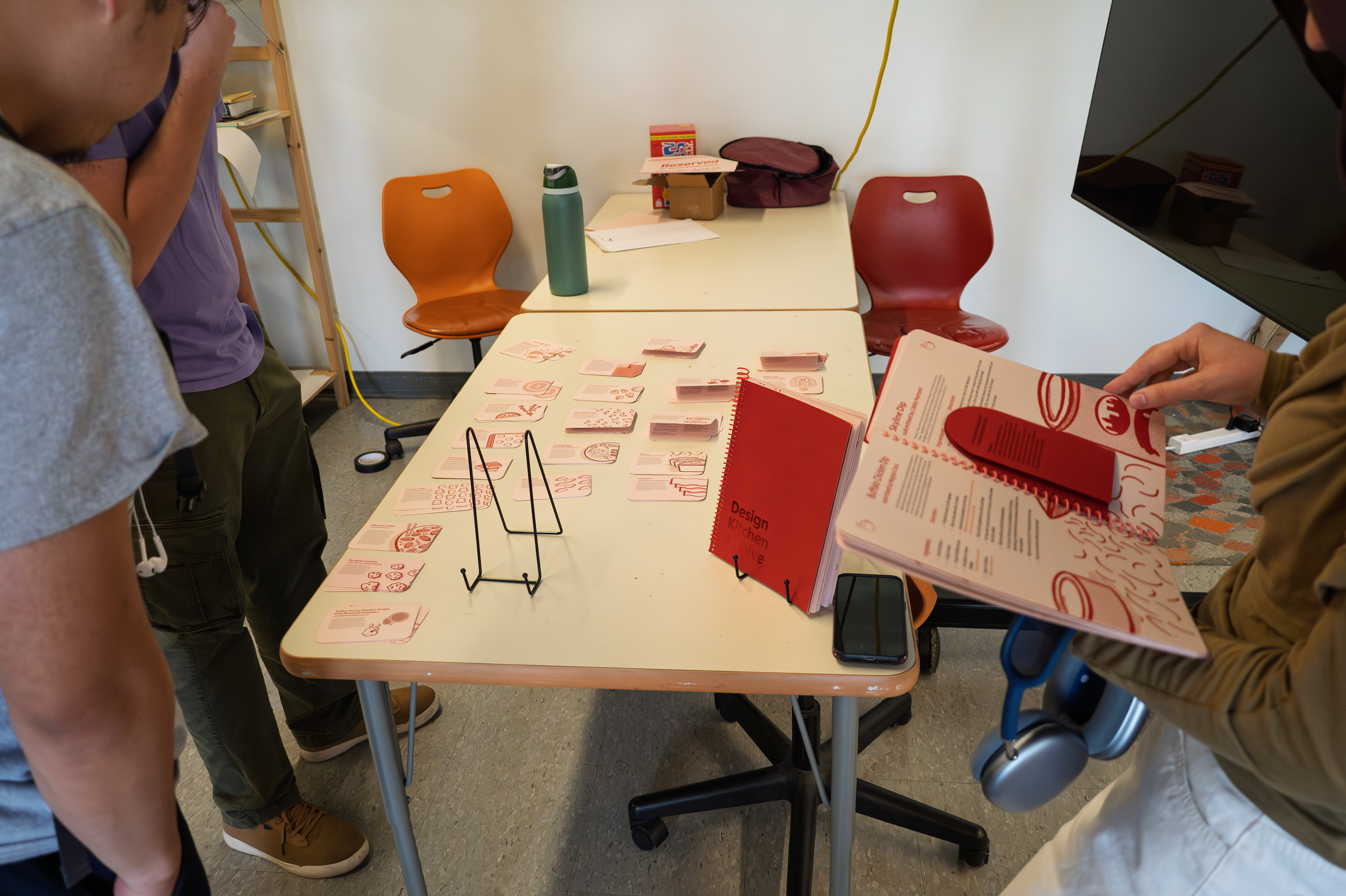
For the event, I also adapted all of the book's recipes into a small recipe card format so attendees could take recipes home with them to try. Although I plan to distribute the book digitally and find a way to offer physical copies to anyone interested, this was a more practical way to give everyone the opportunity to try new dishes and choose their favorite options to take home.
Appendix
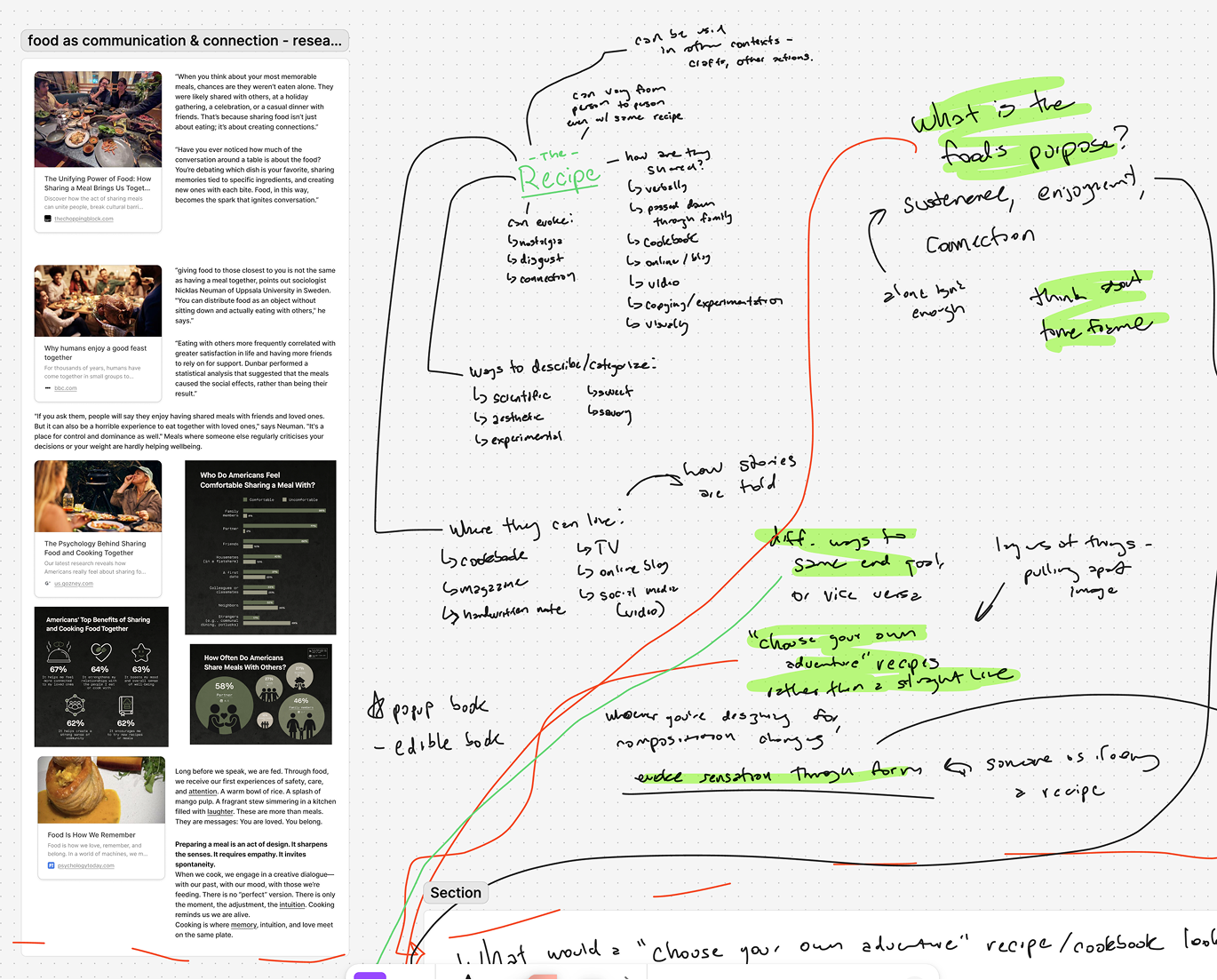
Every thought I've had throughout the semester is on this Figjam board, including research on food as communication and a wide variety of ideas and concepts for which direction to take this project.